Typhoon resistant warehouse Philippines: Safe at 250km/h?
Typhoon resistant warehouse Philippines — Can steel take 250km/h?
The Philippines is hit by an average of 20 tropical cyclones every year, making industrial durability a matter of survival. A typhoon resistant warehouse in the Philippines is an essential asset that ensures business continuity by protecting equipment and inventory from extreme weather. By investing in a high-strength steel frame designed for a 250kmh wind load steel building, investors can secure their assets against the most destructive forces of nature.
1. Can a steel warehouse survive a 250km/h super typhoon?
Yes, a steel warehouse can completely survive a 250km/h super typhoon. To achieve this, it must be engineered as a 250kmh wind load steel building in strict compliance with the National Structural Code. By utilizing a high-strength steel frame with rigid connections, the structure absorbs and dissipates extreme wind energy, ensuring the roof and walls remain intact.
Understanding Pre-Engineered Steel Buildings (PEB)
A Pre-Engineered Building (PEB) is a structural system where components are designed and fabricated in a factory before being shipped for on-site assembly. PEB is used to construct a typhoon resistant warehouse in the Philippines because it offers unmatched precision, structural integrity, and resistance to high-velocity winds compared to traditional methods.
Image 1. A completed typhoon resistant warehouse philippines designed for maximum durability
Detailed Technical Breakdown:
When wind hits a large warehouse, it creates two types of pressure: positive pressure (pushing against the windward wall) and negative pressure (suction on the roof and leeward walls). For a storm-proof building PH, engineers focus on "Uplift Pressure." If the connections aren't strong enough, the roof acts like an airplane wing and tries to lift off.
We utilize high-strength steel frame components specifically designed to counter this uplift. Our designs incorporate heavy-duty haunch sections at the rafter-to-column joints, which are the most critical points of failure during a 250km/h super typhoon.
2. What are the PH structural safety standards for wind load?
The official safety standards for wind load in the Philippines are dictated by the National Structural Code of the Philippines (NSCP). A typhoon resistant warehouse must be designed according to the wind zone map of the project location. For high-risk areas, a 250kmh wind load steel building is the minimum requirement to guarantee that the structure does not fail under extreme pressure.
Wind Zones and Regional Requirements:
The NSCP divides the country into zones. If you are building in Manila, Cebu, or Davao, the wind speed requirements differ.
- Zone 1 (V = 250 km/h): Includes provinces like Cagayan, Isabela, and Samar. Any warehouse here must be a 250kmh wind load steel building.
- Zone 2 (V = 200 km/h): Includes Batangas, Cavite, and Laguna.
- Zone 3 (V = 150 km/h): Areas like Palawan.
Image 2. Structural engineering diagrams for a 250kmh wind load steel building
The Role of LGU Permits:
To begin construction, you must obtain LGU permits. The Office of the Building Official (OBO) will require structural computations signed and sealed by a Filipino Civil Engineer. These computations must prove that your high-strength steel frame meets the specific wind load of your city. Failure to comply can result in the revocation of permits or the inability to secure insurance for your facility.
3. Why is a high-strength steel frame better for the "Typhoon Belt"?
A high-strength steel frame is better for the "Typhoon Belt" because it offers superior ductility and a high strength-to-weight ratio. High-strength steel is a specialized building material produced to withstand tension and compression forces. It is used to provide the primary support for a typhoon resistant warehouse in the Philippines, allowing the structure to sway slightly and absorb energy without breaking.
Image 3. Heavy-duty columns and rafters forming a high-strength steel frame
Advantages in the Philippine Context:
- Ductility: Unlike concrete, which is brittle and can fracture under sudden gusts, steel is ductile. This means your storm-proof building PH can bend without snapping, which is critical when facing 250km/h wind pulses.
- Material Standards: We use steel that meets ASTM A572 Grade 50 or ASTM A36 standards. These grades are specifically chosen for their balance of weldability and yield strength.
- Connection Technology: We utilize ASTM A325 high-tensile bolts. These aren't standard hardware store bolts; they are engineered to be "torqued" to a specific tension, creating a friction-grip connection that will not vibrate loose during hours of typhoon-force winds.
4. Should you choose steel or concrete for a storm-proof building PH?
You should choose steel for a storm-proof building PH because it offers better flexibility and much faster construction times than concrete. While concrete is heavy, it lacks the ductility needed to survive the intense "lateral forces" of a super typhoon. Steel provides a more reliable 250kmh wind load steel building solution that is also more cost-effective for large-span industrial warehouses.
In-Depth Comparison Table:
| Feature | High-Strength Steel (PEB) | Reinforced Concrete |
| Wind Resistance | Excellent (Rated for 250kmh) | Poor (Brittle failure risk) |
| Construction Time | 30 - 45 days (Fast-track) | 120 - 180 days |
| Foundation Cost | Lower (Lighter structure) | Very High (Heavy mass) |
| Seismic Performance | Superior (Absorbs vibrations) | Rigid (Cracks easily) |
| Investment (PHP) | 13,500 - 19,500 PHP/sqm | 17,000 - 25,000 PHP/sqm |
| Span Capability | Up to 100m without columns | Limited to 10-15m spans |
Table 1. Comprehensive comparison between a storm-proof building PH made of steel versus traditional concrete for a typhoon resistant warehouse
For a typhoon resistant warehouse in the Philippines, steel is the clear winner. It allows for "Clear Span" designs, meaning you have more usable floor space for your inventory without bulky concrete pillars getting in the way.
5. How can you protect inventory from extreme storm and water damage?
To protect inventory, you must use a typhoon resistant building envelope consisting of standing seam roofing and oversized drainage systems. A high-strength steel frame provides the skeleton, but the "skin" of the building must be 100% water-tight. High-quality roofing ensures that even during a 250kmh wind load steel building event, no water enters to destroy your valuable goods or electronics.
Crucial Protection Elements:
- Standing Seam Roofs: Traditional roofs use thousands of screws that pierce the metal. During a typhoon, these holes expand and leak. Standing seam roofs use a "clamping" mechanism with no holes, making them the only true storm-proof building PH solution for roofing.
- High-Volume Gutters: Philippine typhoons bring massive rainfall. We design gutters to handle 60mm+ of rain per hour to prevent internal flooding.
- Heat insulation: We use PE Foam or Glasswool Heat insulation with a thickness of 50mm to 100mm. This is essential in Manila and Cebu to prevent condensation (which causes mold) and keep the warehouse at a workable temperature.
- Bay Doors: We install "Wind-lock" industrial doors that prevent the wind from blowing the door off its tracks—a common failure point in standard warehouses.
Image 4. Professional roofing installation for a typhoon resistant warehouse Philippines
6. Why choose US Buildings for your typhoon resistant warehouse Philippines?
Our company specializes in the design, fabrication, and installation of premium storm-proof building PH solutions. We combine international technology with a deep understanding of the local Filipino landscape.
- Proven Track Record: We have completed 50+ projects across Luzon, Visayas, and Mindanao, all of which have remained standing through multiple super typhoons.
- Compliance Experts: We handle the technical documentation required for LGU permits, ensuring your project meets all national safety codes.
- Local Presence: With engineers familiar with the conditions in Manila, Cebu, and Davao, we provide rapid on-site support and localized logistics.
7. FAQ - Frequently Asked Questions
How many days to complete a steel warehouse?
A typical typhoon resistant warehouse philippines of 2,000 sqm takes 45 - 60 days to complete. Because the high-strength steel frame is pre-manufactured, we can build during the "dry window" to avoid weather delays.
Does steel rust in coastal areas like Cavite or Cebu?
Indoor is significantly safer. It protects your concrete slab from cracking and ensures your business revenue is never interrupted by the Philippine rainy season.
How many days to build a weatherproof sports court?
Using our PEB technology, a full indoor facility can be completed in 45 to 60 days, compared to 90+ days for traditional concrete construction.
Contact US Buildings today for a customized consultation and project estimate.
+ Hotline: (+84) 909 997 852 (Mr. Richard)
+ Email: sales@usbuildingsgroup.com
Written by MKT Team - US Buildings
Category
RECENT ARTICLE


Standard court dimensions: Max Pickleball court ROI?
30 Jun, 2026


Skylight metal roof repair – Increase natural light
14 Jul, 2025

Quality inspection process ensures factory safety
03 Jul, 2025


3 tips to extend your warehouse roof’s lifespan
09 Jun, 2025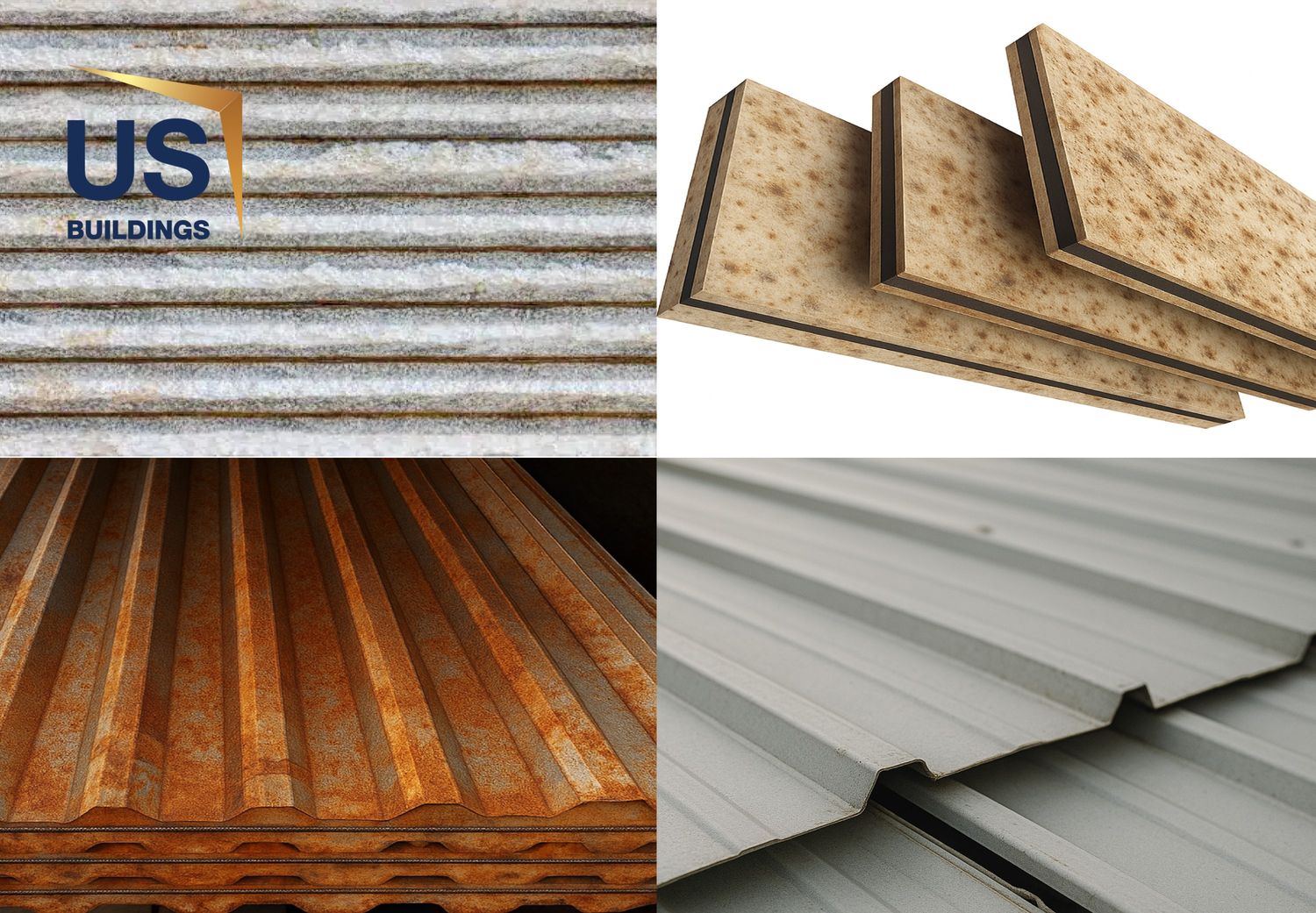
Causes and effects of leaking factory roof
27 May, 2025
Benefits of expert industrial building repair team
23 May, 2025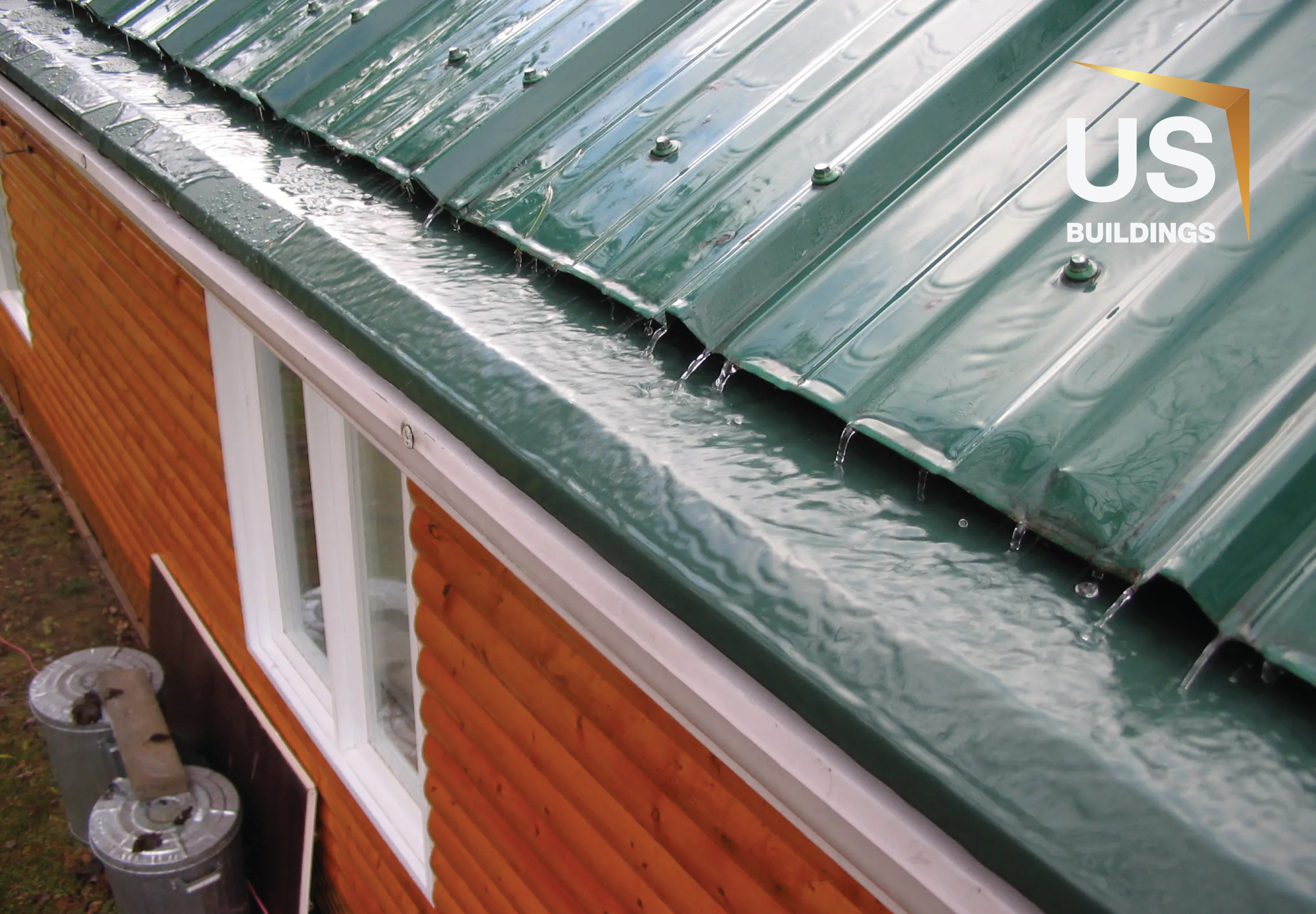



Project Sales Engineer Needed
28 Mar, 2025
Steel Structural Design Manager Needed
28 Mar, 2025
Structural Engineer Needed
28 Mar, 2025
Quantity Surveyor Needed
28 Mar, 2025
Designer Needed
28 Mar, 2025
Marketing Interns Needed
27 Nov, 2024
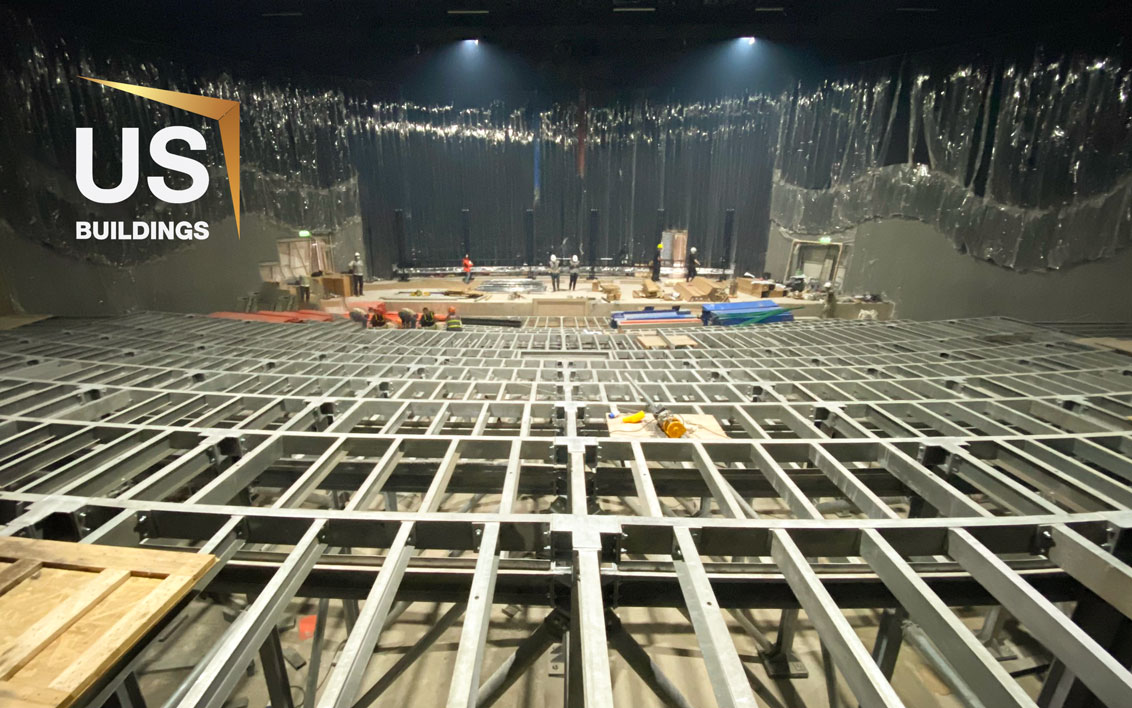
CINEMA PROJECT BIG UPDATE
29 Nov, 2022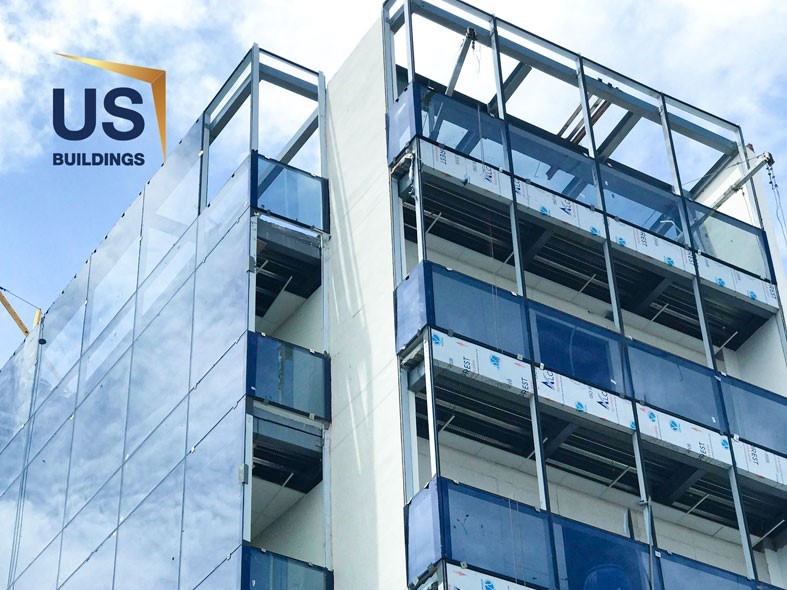
P.E.B OFFICE IN VIETNAM
29 Nov, 2022
UPCOMING PROJECT IN THAILAND
29 Nov, 2022
USB x FastWork: KICK OFF CEREMONY
21 Nov, 2022
CARING FOR WOMEN FROM LITTLE THINGS
21 Nov, 2022
DO MORE FOR ENVIRONMENT
21 Nov, 2022
Recruiter Needed
26 Jul, 2022
TUYỂN DỤNG NHÂN VIÊN BẢO HÀNH – BẢO TRÌ
17 Jun, 2022
Business Development Needed
06 Jun, 2022
Procurement Intern Needed (CLOSED)
10 May, 2022
Marketing Interns Needed (CLOSED)
10 May, 2022
HR Intern Needed (CLOSED)
10 May, 2022
Structural Design Engineers Needed.
25 Apr, 2022
Marketing Staffs Needed
25 Apr, 2022
Marketing Executives Needed (CLOSED)
21 Feb, 2022